Blog
5 Reasons Apple Laptops Still Rule the Market in 2026

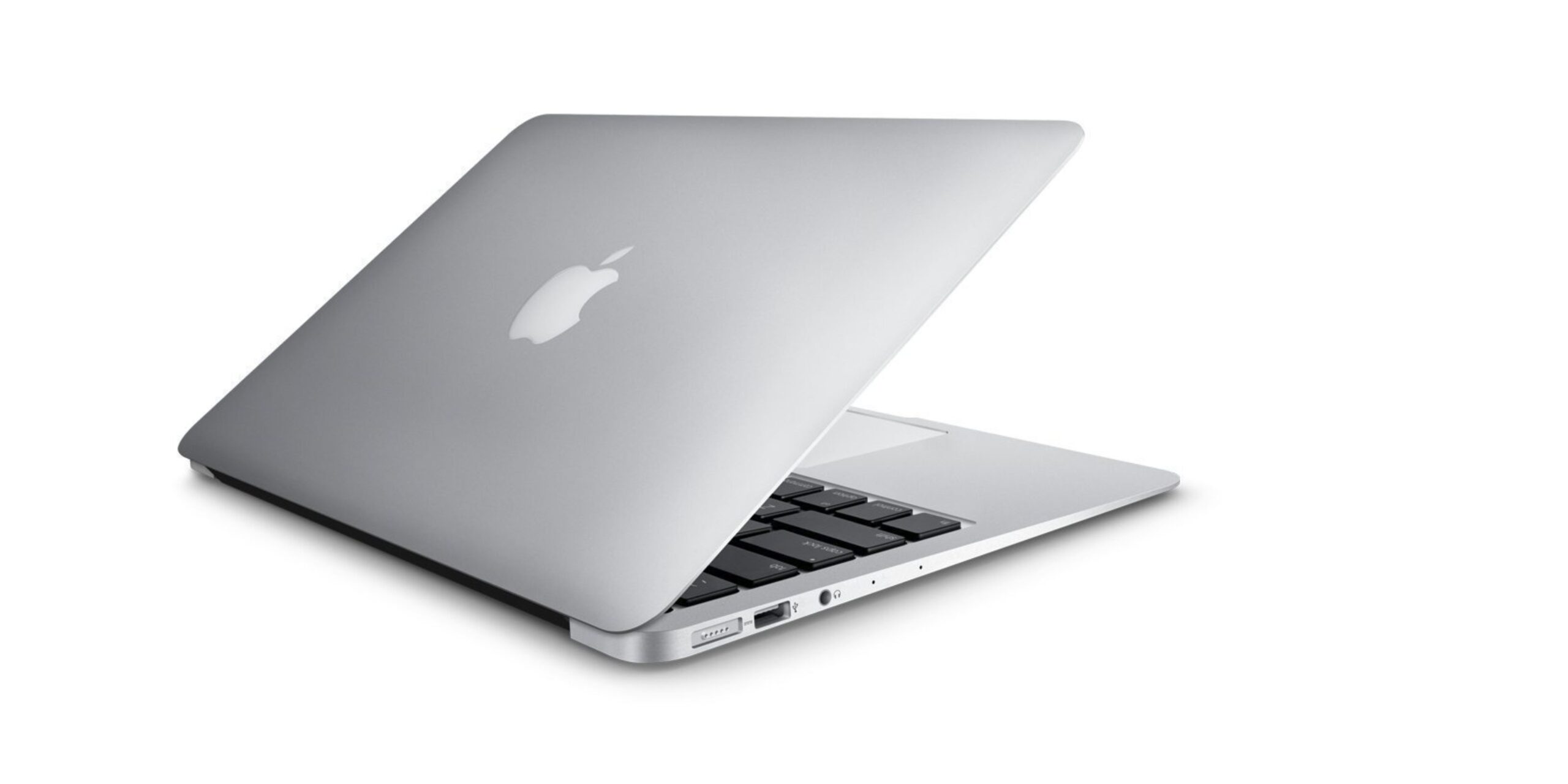
Every year, someone declares that this will finally be the year Apple loses its grip on laptops. And every year, I test something new, get mildly impressed… and then quietly drift back to a MacBook.
2026 is no different. The market is loud right now – Windows machines have gotten smarter, faster, thinner. Foldables look cool in cafés. Specs on paper are wild. And yet, when the real work begins – deadlines, late nights, half-charged batteries, files everywhere – the MacBook still feels like home for a lot of people.
Not because of the logo. Not because of habit. But because, in small, everyday ways, it keeps making life easier.
Here’s why Apple laptops still sit at the top in 2026, even when competition is fiercer than ever.
1. Apple Silicon Has Grown Up and It Shows
The early Apple Silicon days were exciting but cautious. By now, that phase is long gone.
In 2026, the current M-series chips (likely the M5 lineup) don’t feel experimental anymore – they feel settled, confident, almost boring in the best way. You throw absurd workloads at them – 4K timelines, massive spreadsheets, code compiling in the background – and the laptop barely reacts. No fan noise. No sudden heat panic. Just… calm.
I’ve watched video renders finish while the machine stayed cool enough to sit comfortably on my lap. That’s still slightly surreal. Apple’s secret sauce isn’t raw power alone; it’s control. Hardware and software speak the same language here, so nothing feels wasted or clumsy.
Other companies are catching up. Apple just keeps refining.
2. Battery Life That Changes How You Think
At some point, battery life stops being a feature and starts quietly reshaping behavior.
With MacBooks in 2026, I don’t think about chargers the way I used to. I leave home without one. I work longer than expected. Meetings stretch. Flights get delayed. And somehow, the battery just… keeps going.
While many high-end laptops still struggle to survive a full workday under real pressure, MacBooks routinely cross into the 18–22 hour range depending on use. Once you experience that freedom, it’s hard to go back. You stop hunting for sockets. You stop rationing tasks. You just work.
That kind of mental relief matters more than benchmark charts ever will.
3. The Ecosystem Isn’t a Gimmick Anymore
Apple’s ecosystem used to sound like marketing fluff. In 2026, it’s simply how things work.
I’ll start something on my Mac, answer a call on my iPhone without breaking focus, drag a file to my iPad as a second screen, and not once think about how it’s happening. Universal Control, Handoff, Sidecar – these tools have been polished enough that they disappear into the background.
Your devices don’t feel like separate gadgets anymore. They feel like different windows into the same workspace.
Once you’ve experienced that flow, juggling mismatched platforms starts to feel oddly inefficient.
4. They Age Gracefully and Keep Their Value
There’s a certain quiet confidence in buying something you know won’t feel outdated anytime soon.
MacBooks age slowly. A machine bought today doesn’t feel embarrassed three years later. The aluminum body holds up. The keyboard doesn’t crumble. Performance remains usable far longer than most laptops in the same price range.
And when it’s time to upgrade? Macs don’t turn into drawer clutter. Even in 2026, a three-year-old MacBook still fetches a surprisingly solid resale price. That changes the real cost of ownership in a way most people don’t calculate upfront.
You’re not just buying a laptop. You’re buying longevity.
5. AI That Actually Feels Useful (and Private)
The past couple of years were loud with AI promises. In 2026, the noise has settled – and usefulness finally took center stage.
Apple’s approach stands out because much of the AI work happens locally, on the device itself. The Neural Engine is now deeply woven into macOS, powering everyday tasks quietly and privately. No constant cloud dependency. No uneasy feeling about where your data is floating.
For professionals dealing with sensitive information, that matters. A lot.
AI on a Mac doesn’t feel like a flashy assistant shouting for attention. It feels more like an invisible helper doing small things faster, better, and without drama.
Final Thoughts
Apple’s continued dominance in 2026 isn’t about chasing trends. It’s about consistency. About sweating the details most people don’t notice until they’re gone. About laptops that don’t demand attention – but earn trust over time.
That said, none of this comes cheap. MacBooks are still a premium investment, and not everyone needs permanent ownership. Sometimes you just need the power for a project, a short-term team, or to test-drive the latest M-series performance without locking yourself in.
That’s where professional Apple laptop rental services make real sense – access to top-tier machines, without the long-term commitment, while staying flexible in a fast-moving tech landscape.
Because in 2026, the smartest choice isn’t always owning the best tool. Sometimes, it’s knowing exactly when to use it.