Server Rental for Small Businesses: Capacity and Support Guide
The technological needs of the small business can evolve as it evolves. Employees will be required to have access to the files, applications, databases, and other systems for the course of the working day. The management of all these tasks through ordinary office computers may become cumbersome, which makes the use of a server desirable at some point.
There are a number of considerations that are involved in the purchase of a server – initial cost, maintenance, upgrades, and security among others. A viable option would be the rental of a server, which allows access to appropriate hardware without having to buy it.
What Is Server Rental?
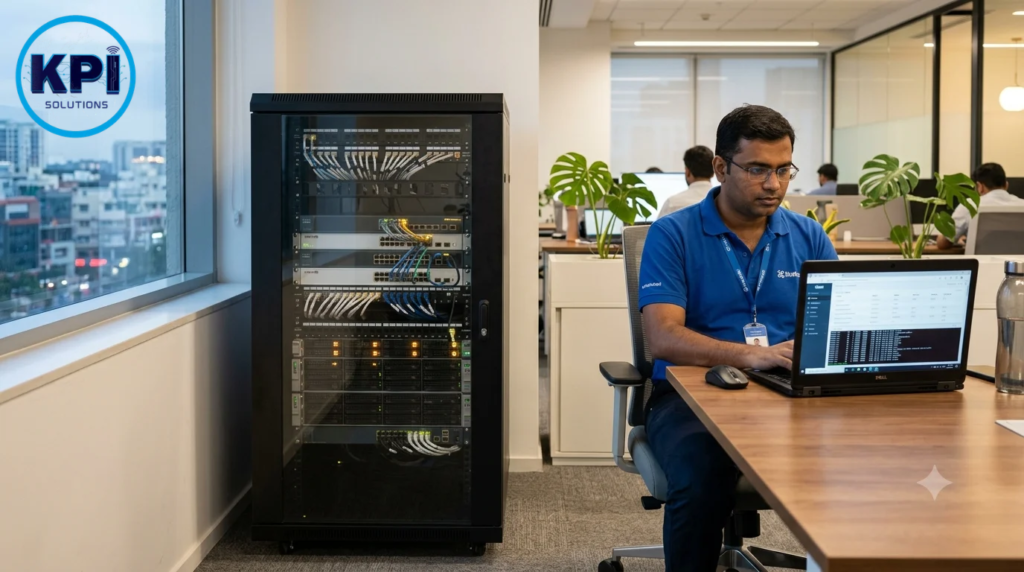
A company can rent server hardware on agreement with the server provider firm. It all depends on the service provider whether the server hardware is going to be installed on the premises of the firm or on the server’s premises in the data center.
An on-premises server provides the companies with direct access to physical hardware. It can cater to their networking needs as well. In a hosted server, the necessity for accommodating hardware on premises gets reduced.
In small companies, the main uses of the server include sharing of files, hosting of business application software, database management systems, and programming environment. Renting can allow firms to gain additional computing power as well.
How to Choose the Right Server Capacity
It is critical that you choose the right configuration. In cases where the system does not have enough resources, it can experience difficulties during peak loads. On the other hand, overprovisioning increases your expenses.
Please think about the following elements when choosing the best configuration for the rental server:
- CPU: It affects the capability of the server to handle tasks. If there are many users or software applications that require more resources, you need a more powerful processor.
- RAM: You should think about the capabilities of applications and databases. It will allow you to estimate the demand for memory depending on the applications and their usage by users.
- Disk: It is necessary to determine how much space you need, your future expansion, and the possibility of using solid-state drives.
- Network capacity: The file sharing, access from remote locations, or working with data intensive applications requires sufficient network capabilities.
- Expanding: It is needed to make sure that the configuration allows adding new users, applications, etc., when your company grows.
Understanding Server Access and Security
The access to the server must correspond to the way your workers operate. There are firms where access through the corporate network is needed and others where remote access is crucial.
Prior to signing the contract, ask for clarification on who is responsible for administrator accounts, user permissions and remote management. Only the access to the server corresponding to the worker’s duties should be provided.
Also pay attention to security conditions. Ask for clarifications about updates, firewall settings, surveillance, malware protection and encryption. Make sure you know who is responsible for what between the rental firm and your company.
The issue of backups is also extremely important. You should know how often the data will be backed up, how long the backup will be stored and how fast the restoration of information may be carried out.
What Technical Support Should a Rental Plan Include?
Problems with the server may disrupt normal functioning and reduce productivity of employees. A good rental agreement must contain information about what will happen in case of malfunctioning or any other problem with the service provided.
Make sure to know the working hours of the support team, their response time, the process of replacing the hardware, and the maintenance schedule. Also, find out if the agreement contains remote troubleshooting and configuration help.
Other things to consider include software installation, operating system management, backup monitoring, and security updates. Some agreements only cover hardware rental, while others include technical support.
How to Evaluate the Total Rental Cost
The monthly rental fees are just a fraction of the total cost. The installation costs, software licensing fees, network costs, backup service fees, upgrade fees, and technical support fees can incur further costs.
Check out the minimum rental period, payment terms, equipment return terms, and early termination terms. You need to check out how your business data will be transferred, stored, or erased when the rental agreement expires.
Compare the total cost with your business needs and not the cost of the package.
Is Server Rental Right for Your Business?
The leasing of server space can be useful for small companies that require computing facilities but cannot afford to purchase the necessary hardware. The type of arrangement depends on the nature of work, security considerations, access, and the technical support required.
For those looking for computer rental services, KPI Solutions assists companies to find hardware arrangements that meet their needs.